Strictly Necessary
Required for login, session management, account security, device limits, referral functionality and remembering your cookie choice.


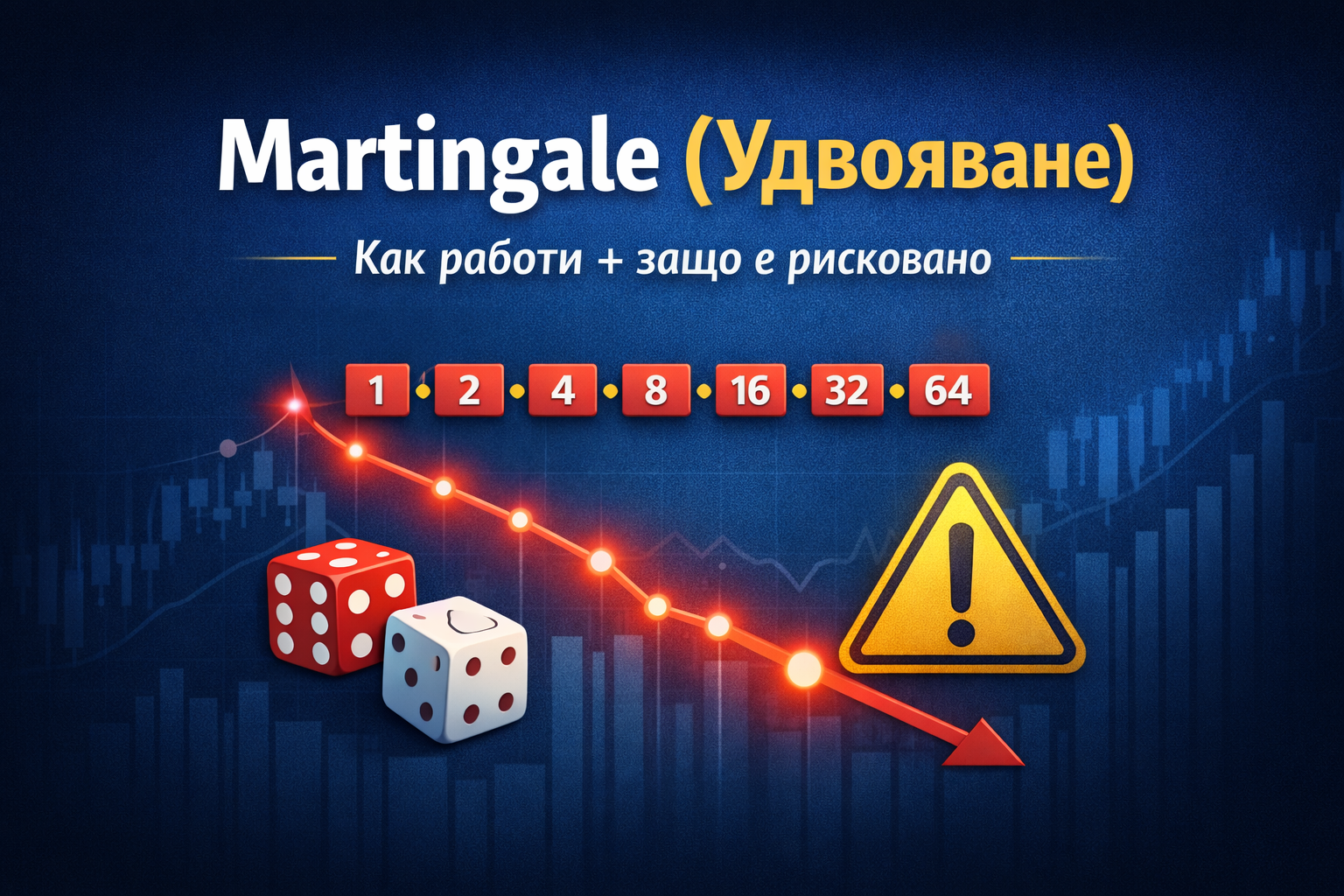
One approach sometimes discussed in live football betting is to look for a goal before a specified minute, wait for a particular price and then consider another time window if the first bet loses. This guide explains how that approach works, why overlapping bets matter, and how quickly a doubling progression can increase risk.
Important: The figures below are an illustrative betting scenario, not a verified record of bets placed at the quoted odds. A real bookmaker may not offer these markets or prices at the relevant times.
Doubling stakes does not improve the probability of a goal. You can lose the entire series, and a loss limit reduces exposure without making the approach profitable.
The basic idea is to select a goal-before-a-time-limit market (for example, “Goal before 30 minutes”), then wait until the available decimal odds reach 2.50. Some versions of the strategy double the next stake after a losing bet.
There is no guarantee that 2.50 will become available for the selected window, that a later window will be offered, or that a goal will occur.
Suppose the bookmaker accepts one bet on a goal before 50' and a second bet on a goal before 60'. If both bets were placed and accepted before the goal, and a goal occurs in the 49th minute, both may win under the bookmaker's rules.
However, overlapping positions are not automatic: whether they exist depends on when the bets were placed, market availability, suspension during attacks and the operator's precise settlement conditions. You cannot place a new bet after a goal and claim it for an earlier event.
The original Bulgarian article uses Bali United – Arema FC, with a stated final score of 1–0 and a goal in the 49th minute. Here we use that match description only to illustrate how different goal cut-offs could settle. The specific 2.50 prices and stake sequence below are hypothetical, not documented historical bets.
Possible example windows:
For the example to produce two winning bets, both the €8 and €16 bets must already be accepted before the 49th-minute goal. The available odds at that point may differ significantly from 2.50.
| Bet | Stake | Market | Assumed odds | Illustrative result |
|---|---|---|---|---|
| 1 | €1 | Goal before 20' | 2.50 | ❌ Lost |
| 2 | €2 | Goal before 30' | 2.50 | ❌ Lost |
| 3 | €4 | Goal before 40' | 2.50 | ❌ Lost |
| 4 | €8 | Goal before 50' | 2.50 | ✅ Won* |
| 5 | €16 | Goal before 60' | 2.50 | ✅ Won* |
*Assuming both bets were accepted before the goal and the market rules count the goal within each window.
€1 + €2 + €4 + €8 + €16 = €31.
€8 × 2.50 = €20
€16 × 2.50 = €40
Total return: €60.
€60 − €31 = +€29.
If only the first four bets were placed, the total stake would be €15, the fourth bet's return would be €20 at 2.50, and the hypothetical net result would be +€5. The fifth stake and its return must not be included unless that bet actually existed before the goal.
A sequence of five losing stakes would cost €31. Extending the sequence by a sixth stake of €32 would put €63 at risk in total. The amounts escalate quickly, and a fixed stop-loss does not remove the bookmaker's margin.
Shots, corners and attacking pressure may provide context, but none guarantees a goal in the next few minutes. A quoted price also reflects bookmaker margin and changing market information.
Read more about Martingale betting strategy and the risks of doubling, and evaluating live football signals.
It depends on the bookmaker's written rules, timing convention and the exact market wording. Do not assume every operator treats the boundary identically.
Because this illustration assumes two overlapping goal windows were both accepted before the 49th-minute goal. It is a scenario, not proof of market availability or historical execution.
There is no universally optimal threshold. A decimal price of 2.50 corresponds to an implied probability of 40% before adjusting for bookmaker margin; it does not tell you whether the bet has positive expected value.
No. A losing streak, betting limits, unavailable markets or changing odds can prevent recovery. Even a winning bet may not cover previous stakes if the assumptions change.
There is no bankroll size that makes this strategy safe or guarantees returns. Set a spending limit you can afford to lose and never increase it to chase a result.
This article is for educational purposes, not a recommendation to bet. Betting involves financial risk and no method guarantees a profit. Never chase losses. See our responsible gambling information.
Conclusion: “Goal Before X Minute” is a useful case study in overlapping markets and risk calculations, but doubling stakes can amplify losses quickly. Understanding the arithmetic and settlement rules matters more than any promised winning formula.